 EVERYTHING


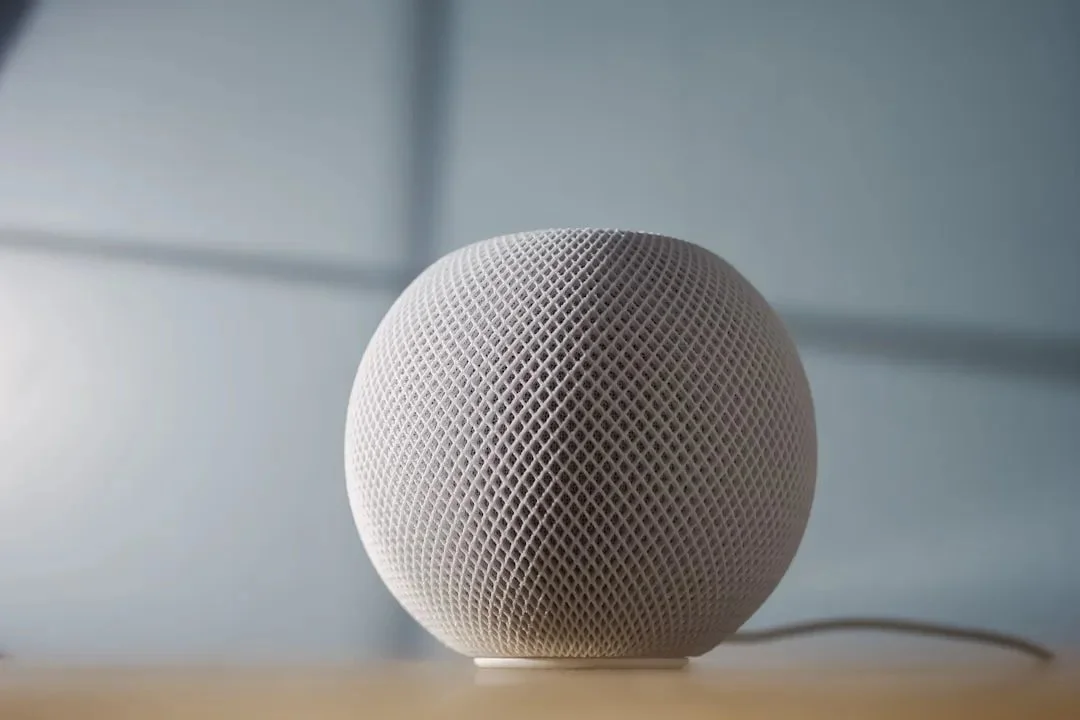
According to Apple, recent price adjustments across its product lineup are primarily driven by the increasing costs of memory components. While the most significant price jumps have been observed in the Mac category, the company has also implemented smaller but notable increases for its home entertainment and smart speaker hardware.
Hardware delays and Siri integration
Despite the official reasoning regarding manufacturing costs, reports from industry insiders suggest that Apple is currently holding back new iterations of these products. Sources indicate that the next generation of both the Apple TV 4K and the HomePod mini has been physically complete for several months. However, these devices are reportedly being withheld from the market until a more capable and personalized version of Siri is ready for deployment.
This creates a unique situation for consumers who purchase hardware today at the new price points. Because the current models utilize older silicon—such as the A15 Bionic in the Apple TV 4K and the S5 chip in the HomePod mini—they are unlikely to support the full suite of upcoming Apple Intelligence features. The next generation of devices is expected to feature more powerful chips capable of handling advanced AI tasks that existing hardware cannot manage.
Expected specifications for future models
While the physical design of the successor models is expected to remain largely unchanged, the internal upgrades will be significant. Key anticipated changes include:
- Integration of Apple Intelligence and advanced Siri capabilities.
- Potential hardware refreshes for the Siri Remote.
- Possible inclusion of new chips supporting Wi-Fi 7, Bluetooth 6, and Thread.
- Improved sound quality and Ultra Wideband support for the HomePod mini.
The discrepancy between current hardware and future releases is significant given that living room devices often remain in use for four to six years. By purchasing today, users may be opting into a hardware cycle that sits outside of Apple's long-term AI roadmap. Consequently, many analysts suggest that consumers might benefit from waiting until the new models officially launch with full software support.