 EVERYTHING


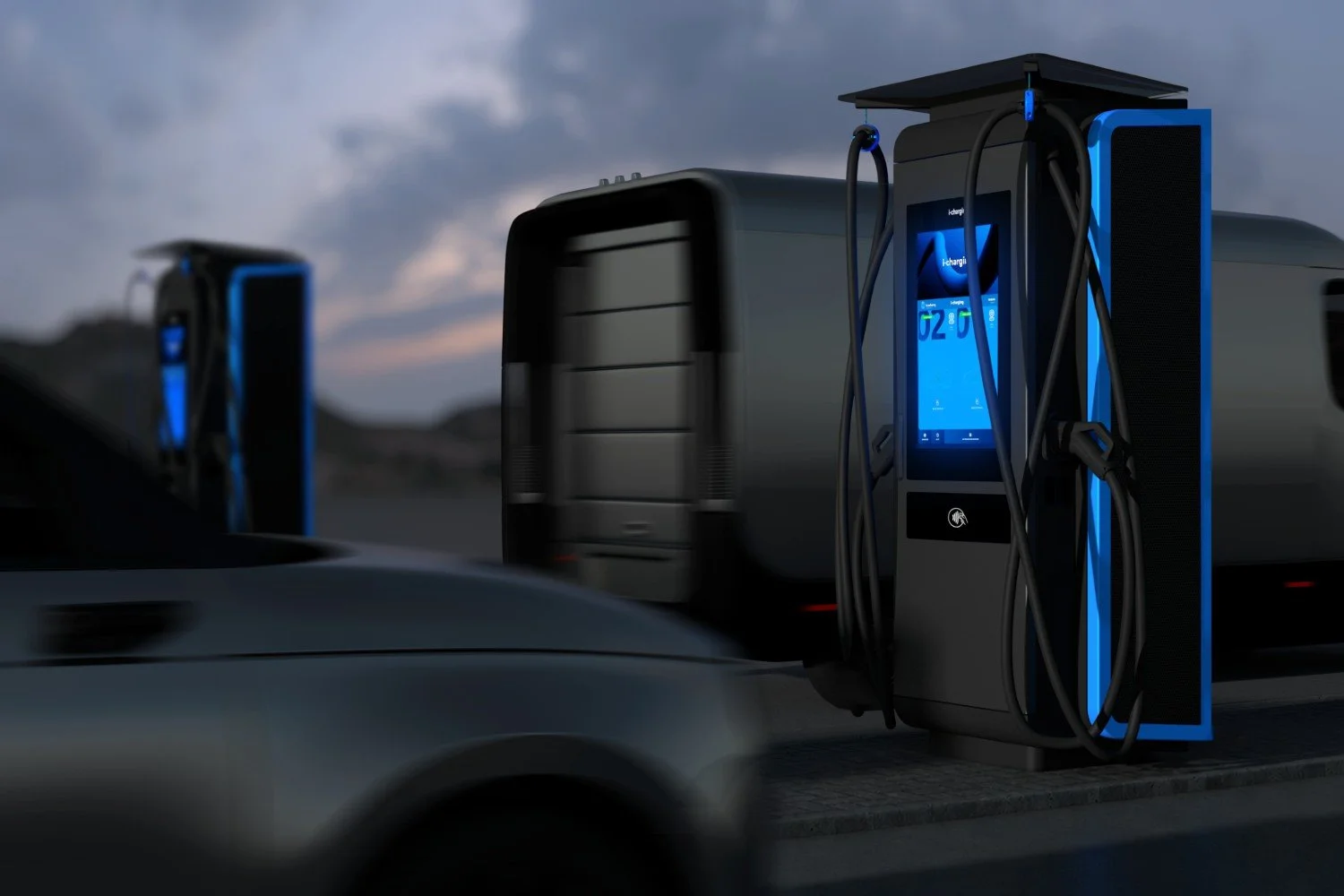
According to Electrive, i-charging’s AiO 500 addresses a growing need for high-capacity charging solutions that do not require massive physical footprints. The compact unit is engineered to serve locations where vehicle density is high but space is limited, such as busy filling stations and urban hubs.
Advanced Power Management and Flexibility
The core innovation of the AiO 500 lies in its ability to dynamically manage power flow across two charging points simultaneously. The system allocates available capacity in increments of 100 kW based on the immediate needs of each vehicle connected. This real-time adjustment ensures that the total installed capacity is utilized optimally, keeping charging times short for customers.
Furthermore, i-charging has built significant flexibility into the AiO 500’s hardware configuration. The unit supports multiple global charging standards, including CCS, NACS, and GB/T, offering users the option to combine two different connector types within a single station. This adaptability makes it highly suitable for diverse international markets.
- The system can dynamically distribute power between two connectors.
- It offers compatibility with three major charging protocols: CCS, NACS, or GB/T.
- Operation is managed via a 32-inch touchscreen and supports contactless card readers.
Heavy-Duty Capabilities and Market Rollout
i-charging provides two versions of the AiO 500: a standard model supporting up to 500 amperes, and an enhanced version featuring liquid-cooled cables that support up to 800 amperes. The manufacturer highlights that the liquid-cooling option is essential for heavy-duty operations, such as freight and coach transport.
“Commercial and heavy-duty vehicles require higher sustained current over longer periods than standard cables can reliably deliver,” i-charging states.
Pedro Moreira da Silva, CEO of i-charging, noted that the 500 kW threshold is becoming increasingly relevant given that more production electric vehicles now support charging capacities exceeding 400 kW. He explained that while conventional all-in-one chargers dedicate their entire capacity to a single vehicle, the AiO 500 was specifically developed to deliver high power simultaneously through both outputs.
Moreira da Silva also differentiated the AiO 500 from i-charging’s larger distributed solutions, such as the MAX unit (up to 1.6 MW). He emphasized that while systems like MAX are designed for multi-plug sites requiring massive output, the AiO 500 solves a different challenge: achieving maximum power within the minimal possible footprint.
The company plans to begin deliveries of the AiO 500 in initial European markets by the end of 2026. North America is slated for deployment in the first quarter of 2027, followed by specialized markets like Germany that require specific metrology compliance. The unit also supports modern protocols such as Plug&Charge and operates using OCPP 1.6 and 2.0.1.
The introduction of the AiO 500 marks a strategic move toward integrating high-power charging into constrained environments, offering operators a powerful balance between capacity, flexibility, and physical size.