 EVERYTHING


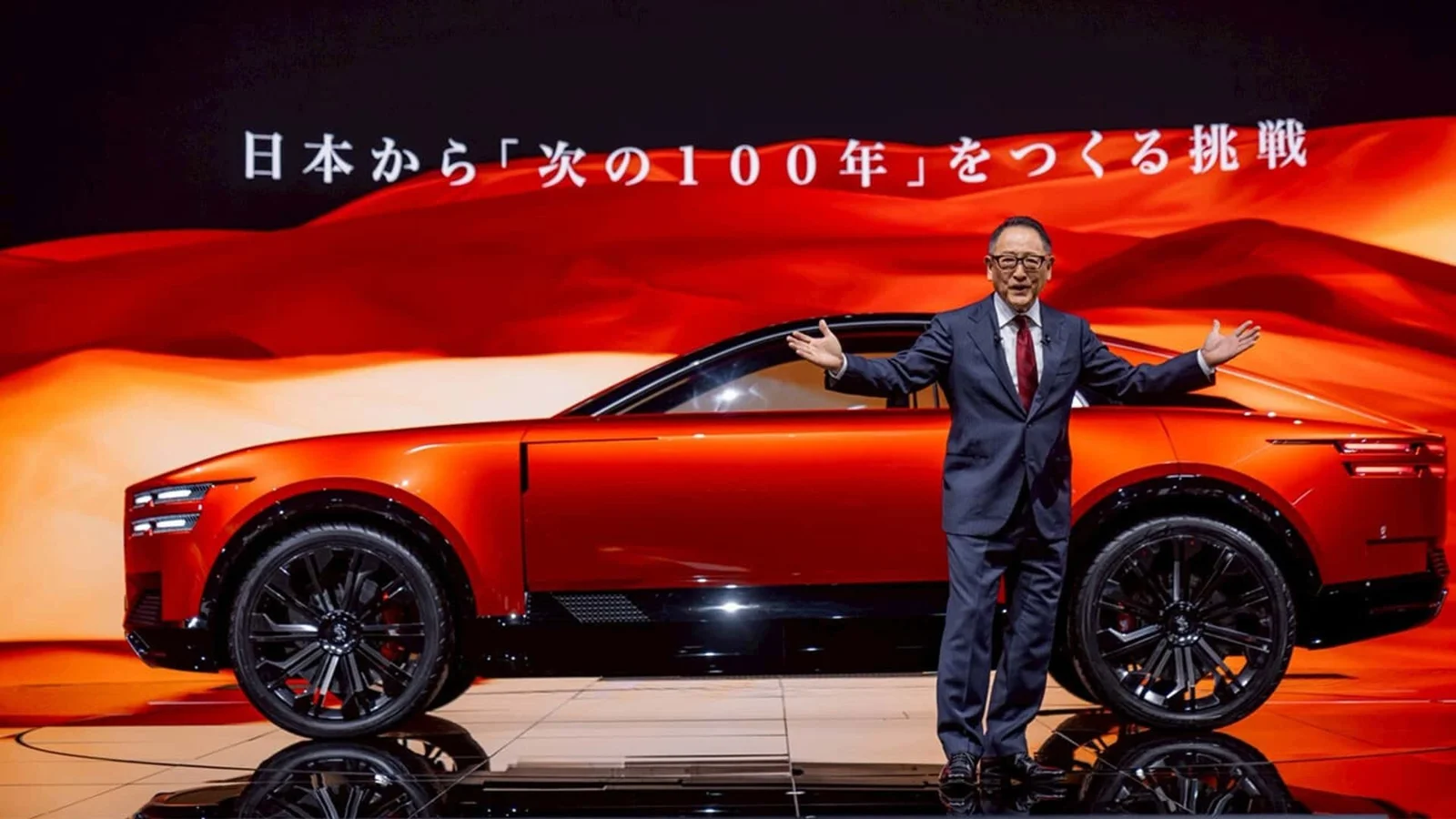
Toyota's chairman believes that the automotive industry is undergoing a rapid and near-total shift toward electric vehicles (EVs). In an interview with Carwow, Akio Toyoda revealed he feels “very alone” in continuing to champion cars powered by internal combustion engines (ICE). While Toyota has successfully maintained its sales dominance, the company's approach to electrification remains cautious compared to some competitors.
The Case for Continued ICE Necessity
Toyoda’s skepticism is rooted not only in personal passion but also in practical market realities. He previously estimated that EVs would never surpass 30 percent of global vehicle sales. Furthermore, he highlighted the critical role gas-fueled cars still play globally due to underdeveloped charging infrastructure in many regions.
His arguments extend into environmental considerations. Last year, Toyoda presented a rough calculation suggesting that the carbon footprint of 27 million hybrids sold by Toyota was comparable to nine million EVs, assuming specific manufacturing conditions. This perspective underscores his belief that the transition is far more nuanced than often portrayed in mainstream EV narratives.
Toyota's Strategy: Extending Engine Life
Despite this deep-seated reservation about the market trend, Toyota remains committed to supporting ICE technology and extending its lifespan. The company continues to invest heavily in performance applications through Gazoo Racing (GR), developing a new turbocharged 2.0-liter four-cylinder unit for future GR products, including the anticipated Celica revival.
- Toyota is actively engineering new V8 units for high-performance models like the GR GT hybrid supercar.
- The company is focused on making conventional engines compatible with carbon-neutral fuels to extend their operational life.
- Recent efforts include experimenting with hydrogen-powered combustion engines, exemplified by the TR LH2 Racing prototype showcased at Le Mans.
Ultimately, Toyota appears determined to navigate a complex path—one that balances its historical expertise in powerful ICE technology with the necessary evolution toward sustainable power sources. The company is not abandoning traditional powertrains but rather adapting them for a future where environmental responsibility and performance must coexist.